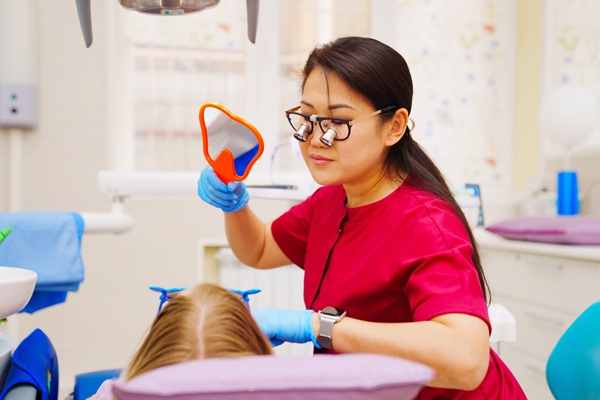
Pediatric dentistry nutrition tips to maintain your child’s oral health are vital. These reminders can help you and your child with your consistency in dental care practices. A healthy diet needs more effort to maintain with all the tempting treats around your child. If you want to learn how to maintain good nutrition for your child’s good dental health, here are some pediatric dentistry tips.
Making healthier bottles for bedtime and naps
Bedtime and naptime are two daily occasions when toddlers like to have something to suckle. Filling the feeding bottles with water is healthier. A water bottle will prevent teeth from soaking in sugars. If there is a need for milk, brushing the toddler’s teeth after the bottle will remove the sugars before sleeping. This pediatric dentistry measure makes sure that the toddler’s teeth do not have sugary coatings as they sleep.
Increasing vegetables and fruits
Replacing the sugary treats with vegetables and fruits will add more fiber to the child’s diet. Crunching on these foods can help wash off the stuck food particles between teeth. The pediatric dentistry fact of chewing also stimulates the production of saliva. Saliva buffers the acids from bacteria in the mouth. Melons, pears, celery, carrots, apples, onions, cucumbers, and strawberries are good for the teeth and gums. Brushing the child’s teeth after eating sugary and acidic foods will remove excess particles and sugars.
Eating yogurt
This probiotic food can replace cereal at any time for breakfast. Choosing low sugar or plain yogurt is better for the teeth. Greek yogurt is ideal. This type of food is full of casein and calcium. These pediatric dentistry components strengthen the enamel, protecting the child’s teeth from cavities. The good bacteria in yogurt can balance out the pH levels in the mouth.
Adding cheese to the daily diet
Cheese is a superfood for teeth. The phosphate and calcium in cheese help build strong teeth. This superfood has no acid at all. It can lower the acidity in the child’s mouth. A lower pH produces more acid-neutralizing saliva. This reduces cavities.
Munching on almonds
These nuts are rich in protein but low in sugar. Almonds are low in sugar and high in protein as well. Protein and calcium in almonds prevent bacteria from destroying teeth. This then reduces the child’s risk of developing cavities. The only way to correct cavities is to let the child go through a series of pediatric dentistry treatments.
Drinking more water
Water makes sure the child’s mouth is free from acids and starch. This clear liquid can remove food particles and leftover sugar on the child’s teeth. Water also battles bad breath. Drinking this often can stimulate the production of saliva. More saliva means more opportunities to neutralize the acids in the mouth.
Avoiding starchy, sugary, and sticky drinks
Sweet drinks can also ruin the child’s dental harmony. This weakens the teeth’s enamel layer. Removing granola bars, hard candies, and drinks can prevent the formation of cavities. It can contribute to daily oral hygiene.
Nutritional changes in pediatric dentistry can help enhance the child’s dental health
Sweets may be tempting, but they deteriorate a child’s teeth. The damage becomes more evident as the child keeps eating. Your pediatric dentist can determine which foods and drinks your child can have. Regular visits to the dentist can help ensure the effectiveness of the pediatric dentistry nutrition reminders.
Are you considering getting a pediatric dentistry treatment in the Watertown area? Get more information at https://pediatric-dental-arts.com.
Check out what others are saying about our dental services on Yelp: Pediatric Dentist in Watertown, MA.
Recent Posts
An infant dentist helps families build strong oral health habits from the beginning of a child's life, which can make a meaningful difference as the child grows. However, many parents and guardians are surprised to learn that dental care should start long before all the baby teeth come in. The first appointment is most beneficial…
Using digital X-rays in pediatric dentistry is one of the simplest ways to assess children’s teeth for small changes over time and identify disease in the early stages. In addition to being easily accessible on a computer screen, digital X-rays are thought to be safer because these images require less radiation than traditional X-rays. Digital…
A children's dentist will tell you that tooth decay is the most common oral condition that affects kids. Any tooth can get tooth decay if it has erupted on the jaw, meaning that toddlers as young as six months can get cavities. This article provides information on the causes and prevention of tooth decay in…
Infants can benefit from seeing a pediatric dentist when primary teeth begin to erupt. Primary teeth are placeholders for permanent teeth and should receive the same attention, including appropriate home care. Primary teeth are crucial to a baby's health and development. Therefore, dentists encourage parents to begin an infant's oral hygiene routine as soon as possible…