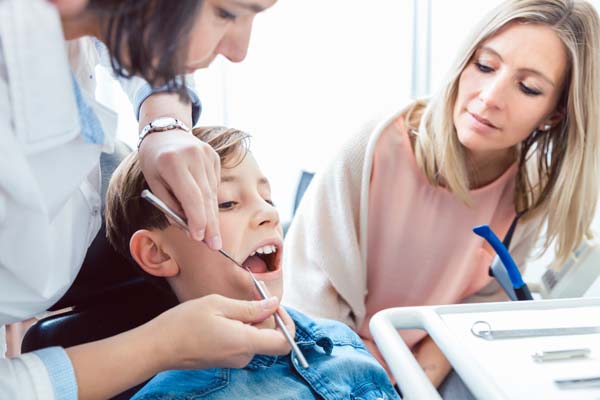
One of the most important aspects of pediatric dentistry is practicing a healthy routine at home. In addition to keeping a child's mouth clean, parents should provide a nutritious diet for strong teeth and gums. Making the right choices can also help prevent decay and encourage proper tooth development.
Helpful tips for healthier teeth
Eating a variety of foods rich in calcium, vitamin D, and iron can help children grow stronger teeth. Good eating and drinking practices also foster better oral health.
Offer bottles the right way
Most babies use bottles during the first year of life, but parents should take care to ensure proper use. Even though milk is both healthy and essential for a child's growth and development, it still contains sugar. Children who linger with a bottle or chew on the nipple are at a greater risk for tooth decay. Remove the bottle immediately when a feeding session is complete and never lay a child down with one at bedtime. Finally, be sure to wean children from bottle use by age 1.
Choose a sippy cup wisely
Pediatric dentistry professionals recommend introducing a sippy cup around six months of age. Hard spouts are ideal because they discourage prolonged chewing, which helps prevent enamel breakdown from continued sugar exposure. Once children become comfortable with a sippy cup, consider using a product that mimics drinking from a regular cup to encourage proper growth and development of the palate and jaw.
Drink smarter to prevent decay
Juice, sodas, sports drinks, and other sweetened beverages should not be everyday choices; save these for special occasions. While milk is the primary source of nutrition during the first year of life, it should be offered at mealtimes as a beverage starting at age 2. Milk plays an essential role in strengthening teeth and helping children grow, but it can lead to tooth decay when sipped for long periods of time. Instead, keep a cup of water on hand for hydration throughout the day.
Enjoy sweets in moderation
Sweet, sugary foods are one of the main causes of cavities in young children. Parents need to set limits on these types of treats to encourage better dental and overall health. When offering something sweet, try to avoid sticky, chewy foods, such as:
- Fruit snacks
- Fruit chews
- Caramels
- Taffies
Plain chocolate is a better option because it is more easily dissolved by saliva and does not stay trapped in chewing surfaces for quite as long.
Build strong hygiene habits
Choosing the right foods and beverages plays a vital role in pediatric dentistry, but good hygiene is equally important. Teach children to wash their hands before eating to prevent more bacteria from entering the mouth. Brushing twice a day is the general rule, but it can be helpful to also encourage brushing after enjoying a sweet food or drink to protect tooth enamel and prevent decay.
Conclusion
Making good decisions about eating and drinking can help protect a child's teeth against decay for a healthier smile. This approach to pediatric dentistry can help children build better habits for a healthy life.
Request an appointment here: https://pediatric-dental-arts.com or call Pediatric Dental Arts at (617) 924-1911 for an appointment in our Watertown office.
Check out what others are saying about our dental services on Yelp: Pediatric Dentist in Watertown, MA.
Recent Posts
Using digital X-rays in pediatric dentistry is one of the simplest ways to assess children’s teeth for small changes over time and identify disease in the early stages. In addition to being easily accessible on a computer screen, digital X-rays are thought to be safer because these images require less radiation than traditional X-rays. Digital…
A children's dentist will tell you that tooth decay is the most common oral condition that affects kids. Any tooth can get tooth decay if it has erupted on the jaw, meaning that toddlers as young as six months can get cavities. This article provides information on the causes and prevention of tooth decay in…
Infants can benefit from seeing a pediatric dentist when primary teeth begin to erupt. Primary teeth are placeholders for permanent teeth and should receive the same attention, including appropriate home care. Primary teeth are crucial to a baby's health and development. Therefore, dentists encourage parents to begin an infant's oral hygiene routine as soon as possible…
When it comes to your child's dental health, the first visit to a pediatric dentist is a significant milestone. It sets the foundation for a lifetime of healthy oral hygiene habits and helps alleviate any anxiety your child may have about visiting the dentist. If you're searching for a "pediatric dentist near me," it's important…