How a Dentist For Kids Can Help With Sensitive Teeth
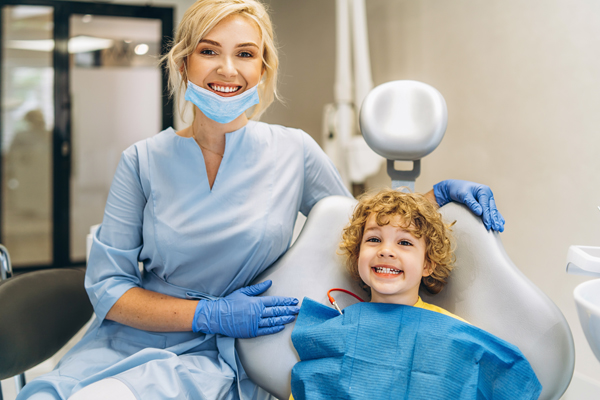
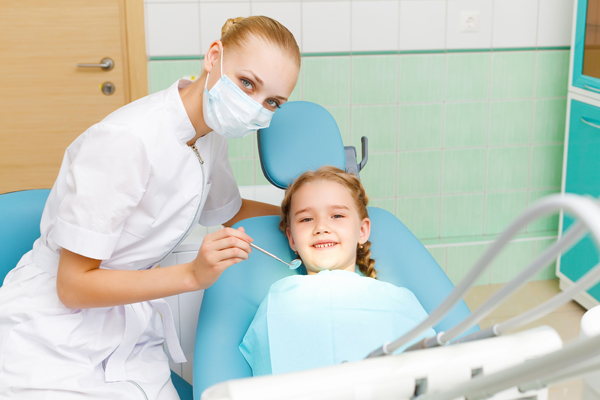
A dentist for kids can help children manage tooth sensitivity and enjoy eating and brushing again. Sensitivity means a sudden, sharp twinge when a tooth meets something cold, hot, sweet, or even a gust of air. In children, the causes often include thin enamel, early cavities, plaque-induced gum irritation, or minor enamel wear following orthodontic adjustments. Sometimes a newly erupted tooth feels tender while the surrounding tissues adjust.
A pediatric dentist evaluates these factors, explains what is happening in kid-friendly terms, and outlines a step-by-step plan to soothe sensitive areas. With timely care from a dentist for kids, most children feel more comfortable and learn habits that protect enamel long-term.
Why children develop sensitivity
Baby teeth and newly erupted permanent teeth have enamel that can be more vulnerable to temperature changes. Frequent snacking on acidic drinks or citrus softens enamel, while plaque buildup along the gumline inflames tissues and exposes tiny openings in the root surface. Teeth with small chips, early decay, or grinding-related wear also transmit sensations more readily to the inner layer of the tooth, called dentin. A dentist for kids checks bite alignment, brushing technique, diet patterns, and fluoride exposure to identify the true source. This targeted approach helps reduce triggers rather than covering up symptoms. Parents also receive clear guidance so home routines match what happens in the dental office.
Gentle, child-focused treatments
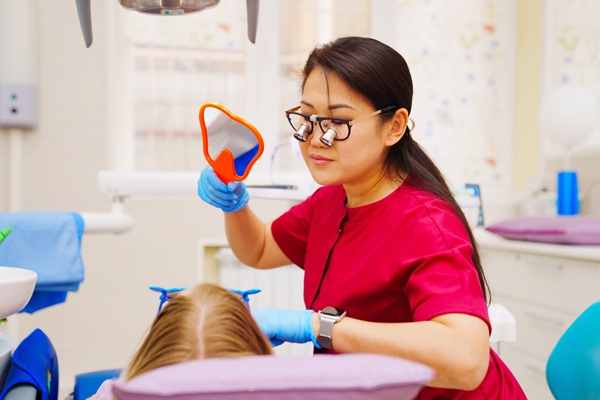
Pediatric dental care aims to calm sensitivity while protecting developing teeth. After a thorough exam and any needed X-rays, the dentist may recommend professional fluoride, minerals that strengthen enamel and seal microscopic pores. For deeper sensitivity, a desensitizing varnish or bonding resin can shield exposed dentin. If the exam reveals a small cavity or a leaky filling, a conservative restoration can stop irritation and restore function.
For gum tenderness, a careful cleaning reduces plaque and allows the tissues to heal. Nighttime grinding can improve with a custom guard once permanent teeth stabilize. Throughout each visit, a dentist for kids uses age-appropriate explanations and pacing to reduce worry and build confidence.
Simple steps at home
Good daily habits reinforce in-office care and help prevent future flare-ups. Consider these kid-friendly tips, then ask the dental team which to start first based on the exam:
- Use a soft-bristled brush and gentle circular motions for two minutes, twice a day.
- Switch to a desensitizing toothpaste; leave it on sensitive spots for one minute before rinsing.
- Offer water after snacks and limit acidic drinks, such as sports beverages and soda.
- Wait 30 minutes to brush after acidic foods to avoid scrubbing softened enamel.
- Keep regular checkups every six months, or as advised.
These small changes support enamel, calm the nerves inside the tooth, and make mealtimes more comfortable.
Schedule a visit today
Sensitive teeth can disrupt eating, sleeping, and focus at school, but the right plan restores comfort. A dentist for kids can pinpoint the cause, provide gentle treatment, and coach families on easy home routines that protect growing smiles. For more information or to schedule an appointment, call our office.
To schedule a consultation, please request an appointment on our website at https://pediatric-dental-arts.com or call Pediatric Dental Arts at (617) 924-1911 to arrange an appointment at our Watertown office.
Check out what others are saying about our dental services on Yelp: Dentist For Kids in Watertown, MA.
Recent Posts
Pediatric dentistry nutrition tips to maintain your child’s oral health are vital. These reminders can help you and your child with your consistency in dental care practices. A healthy diet needs more effort to maintain with all the tempting treats around your child. If you want to learn how to maintain good nutrition for your…
An infant dentist helps families build strong oral health habits from the beginning of a child's life, which can make a meaningful difference as the child grows. However, many parents and guardians are surprised to learn that dental care should start long before all the baby teeth come in. The first appointment is most beneficial…
Using digital X-rays in pediatric dentistry is one of the simplest ways to assess children’s teeth for small changes over time and identify disease in the early stages. In addition to being easily accessible on a computer screen, digital X-rays are thought to be safer because these images require less radiation than traditional X-rays. Digital…
A children's dentist will tell you that tooth decay is the most common oral condition that affects kids. Any tooth can get tooth decay if it has erupted on the jaw, meaning that toddlers as young as six months can get cavities. This article provides information on the causes and prevention of tooth decay in…